WHAT ARE THE FARM WORKER ACCOMMODATION REQUIREMENTS IN THE UK?
benrothwell
Aug 12th, 2026
When you house agricultural workers, the accommodation needs to be safe, clean and suitable for the people living there. The exact legal requirements will depend on the type of accommodation, where it is located and the arrangement you have with each worker.
Housing law, local authority requirements, employment terms and National Minimum Wage rules may all apply, so you should check the official guidance for your circumstances and take professional advice where needed.
In this guide, our portable building lease specialists explain the main practical standards to consider around sleeping arrangements, privacy requirements, heating, and access to washing facilities. We also look at how ourfarm worker accommodation creates comfortable on-site living facilities for seasonal or permanent agricultural workers.
WHAT ARE YOUR RESPONSIBILITIES WHEN PROVIDING FARM WORKER ACCOMMODATION?
There is no single set of farm worker accommodation requirements that applies to every farm and agricultural business across the UK.
Your responsibilities to your employees around accommodation will depend on:
Whether you are located in England, Wales, Scotland or Northern Ireland
If workers live in a house, caravan, cabin or another type of unit
How many unrelated people share the accommodation
If the accommodation forms part of the worker’s employment
In England, local authorities use theHousing Health and Safety Rating System to assess risks within residential accommodation. The current guidance is based on the principle that homes should provide a safe and healthy environment, with risks to occupants kept as low as reasonably possible.
Shared housing may also fall within the rules for houses in multiple occupations. Seasonal and migrant workers living in employer-provided accommodation can be treated as occupying it as their main residence when deciding whether a property is an HMO. Farms should therefore check the position with their local authority to make sure that short-term occupation falls outside these licensing rules.
WHAT SHOULD SLEEPING ACCOMMODATION PROVIDE?
The standards that apply will depend on where your farm is based and the type of accommodation you provide. In Wales, for example, theAgricultural Wages Order requires qualifying accommodation to provide a bed for the sole use of each agricultural worker.
More generally, sleeping arrangements should meet the intended occupancy of the room or unit and without overcrowding. Workers also need appropriate security, storage and privacy, with the accommodation kept in suitable condition throughout their stay.
Meeting these needs is often difficult when trying to adapt spare rooms, outbuildings or older accommodation to meet the needs of a larger seasonal workforce.Temporary sleeper cabins offer a straightforward way to add the exact number of beds you need without converting permanent farm buildings.
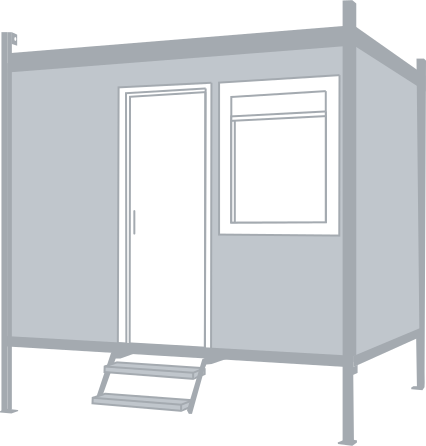
Bunkabin's sleeper units come in purpose-designed single, twin and triple layouts, with full-sized beds, heating, storage and en-suite facilities across the relevant models. Each unit has secure lockable doors and windows.
Our units also bring you flexibility on price and scale. You can match the units to your current workforce requirements. As the season ends, or your workforce needs change, we can remove - or add - new buildings.
HOW MUCH PRIVACY SHOULD WORKERS HAVE?
Shared accommodation does not remove the need for privacy.
Workers should be able to sleep, change, wash and store personal possessions without unnecessary intrusion. Bedrooms need secure doors and windows, while toilets and showers should have lockable doors and enough room to change privately.
You should also consider the makeup of the workforce when arranging rooms. Families, couples, and longer-term staff may need different accommodation from a group of seasonal workers who have agreed to share.
OurJunior Twin Sleeper provides two separate full-sized beds, storage and an en-suite shower room. Where single occupancy is more suitable, ourBespoke Sleeper is available in a single layout with more self-contained living space.
WHAT HEATING AND VENTILATION ARE NEEDED?
Farm worker accommodation needs to remain usable throughout the hire period, including during cold, wet or particularly warm weather.
Rooms should have effective heating and enough ventilation to prevent excessive condensation, damp and stale air. Roofs, walls, doors and windows should keep out rain and wind, while plumbing and electrical systems need to remain in working order.
The Housing Health and Safety Rating System considers risks including excess cold, damp, mould, fire, faulty electrics, poor ventilation and overcrowding. A local authority can inspect residential accommodation and, where serious hazards are found, require remedial work or restrict its use. In urgent cases involving an imminent risk of serious harm, it can prohibit occupation immediately or carry out emergency works.
That is where purpose-built temporary accommodation has a clear advantage. Rather than adapting a farm building that may be cold, damp or difficult to ventilate, our sleeper units are designed for residential use, with insulated construction, built-in heating and ventilation. This gives you a more reliable way to provide comfortable accommodation without inheriting the same risks that can arise in unsuitable or makeshift spaces.
WHAT WASHING AND TOILET FACILITIES SHOULD BE AVAILABLE?
Farm worker accommodation must provide suitable washing, toilet and drinking-water facilities. In England, inadequate sanitation, personal hygiene facilities or drainage can count as a housing hazard under the Housing Health and Safety Rating System. Shared housing may also fall under HMO rules, which can impose more specific requirements on the number, condition and upkeep of bathrooms and toilets.
In Wales, the Agricultural Wages Order 2025 expressly requires qualifying agricultural accommodation to provide clean drinking water and suitable and sufficient sanitary conveniences and washing facilities.
In practice, workers need convenient access to clean, functioning toilets, washbasins and showers with hot and cold water. The number of facilities needs to be in line with the size of the workforce. A setup that appears sufficient overall could still create long queues if everyone finishes the same shift together.
Toilets and washing areas should provide privacy, remain easy to clean and have suitable lighting and ventilation. They also need to be kept in working order throughout the period of occupation.
Where existing farm buildings cannot provide enough capacity, you do not need to carry out permanent alterations or stretch facilities beyond what they were designed to handle. We can supply purpose-builtportable shower units, combined shower and toilet units andseparate toilet blocks alongside your sleeper accommodation. This gives you the right level of provision for the size of your workforce and the length of the season.
WHAT COOKING, DINING AND REST FACILITIES ARE NEEDED?
If you do not provide meals, workers need a practical way to store and prepare their own food.
This normally means access to clean cooking equipment, refrigeration, food storage, a sink and somewhere to sit and eat. You should also provide a dry, heated place where workers can relax outside working hours.
These facilities are particularly important on rural sites where the nearest shops, cafés or public transport may be some distance away. A bedroom alone does not provide a suitable long-term living arrangement if workers have nowhere to prepare meals or spend their rest time.
OurJunior Diner gives seasonal workers a proper place to cook, eat and unwind, with refrigeration, food preparation space and seating built into one self-contained unit.
DOES FARM WORKER ACCOMMODATION NEED PLANNING PERMISSION?
In some cases, temporary accommodation may require planning permission. This will depend on how many units you install, how long they remain, the current use of the land and the effect on the surrounding area. Drainage, access and environmental considerations can also affect the application.
Agricultural occupancy conditions create a separate issue where a permanent property is restricted to people working in agriculture. These conditions should not be confused with the tenancy rights that may arise when accommodation is provided as part of employment.
At Bunkabin, we have been in business since 1978, supplying industries across the UK with reliable and luxurious lease hire portable buildings. We manufacture our units in Britain and operate the UK’s largest hire fleet. You can source sleeper cabins, showers, toilets and diners through our team, and we will handle delivery, collection and placement. That way, you only have to coordinate your accommodation needs with one supplier.
See how we have supported seasonal agricultural businesses in ourfarm worker accommodation case studies, including Valley Produce and Charrington Fruit Farms.
Speak to Bunkabin about temporary sleeper cabins and supporting toilet, shower and diner units for your agricultural workforce. Call 0345 456 7899 or request a quick quote.
Testimonials
We approached Bunkabin in 2015 to deliver a turnkey accommodation solution for our performers from around the world who were performing at Her Majesty The Queen’s 90th Birthday Celebrations at Windsor this year. Subsequently 200 Bunkabins were ordered and work started on the planning of such a major logistical operation. In 22 days, 200 Bunkabins, complete with bedding kits, were delivered and installed and when our performers arrived they were amazed that we could offer an on-site solution that offered everything they needed. It made for a real village atmosphere with all nations joining together and we couldn’t have asked for more.
Bunkabins drivers were amazing – taking great care when loading and offloading not to damage the grass in the Private Grounds of Her Majesty The Queen and all in all the Bunkabins worked perfectly
Nick Brooks-Ward, H Power Group - Event Planning Services
Over the last 6 years we have increased the Student Village from initially 30 up to currently 274 en-suite Student Sleepers. The Student Village Company provide us with a flexible accommodation capacity, so as long as we have land available, we no longer need to turn away a student because of accommodation shortages.
It is very difficult to predict exact intake numbers however The Student Village Company are able to provide additional capacity only a few weeks before freshers week. The decking, canopy and decals make an enormous difference. The students love them.
While Bunkabins aren’t complicated... There will undoutedly be a raft of questions you will need answering. So with this in mind, we have compiled a list of the most frequently asked ones and, handily, provided the answers to boot.
The aim was to find an accommodation solution that could be deployed quickly and safely, while exceeding industry standards of electrical, fire and structural safety and providing a comfortable living…
As a successful agricultural business, Valley Produce depends heavily on having the right onsite accommodation solutions in place for its seasonal workers. Bunkabin has been able to provide those…
How do you solve an issue of having more students arriving than you have available accommodation? Bunkabin works with Reaseheath College to support them as they expand,enabling them to grow their…
The Royal Navy found themselves requiring 302 more bed than they had available. Rather than costly and time-consuming building work being initiated an alternative tempory solution was sort and…
Her Majesty’s 90th Birthday Party was a celebration of The Queen’s life and involved more than 1,500 participants from around the United Kingdom and the World. It focused on her love of horses, her…
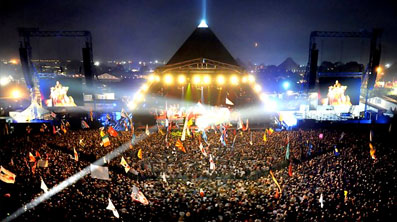
Bunkabin has long had a great working relationship with Glastonbury Festival. Our sleepers and shower blocks offer their management, staff and the supply personnel the comfortable environment they…