How to Establish a Workflow for a Construction Site in Five Steps
benrothwell
Sep 11th, 2023
A well-planned construction workflow keeps a project moving from planning through to completion. On a busy construction site, multiple teams, subcontractors, deliveries and tasks need to work together in the right order. If one stage is delayed, the impact can quickly affect labour, materials, project costs and overall project performance.
Construction workflow also involves managing how people, materials, information, welfare facilities, site access and temporary buildings work together across the construction lifecycle. For project managers and construction managers, a clear workflow will reduce confusion, improve communication, support safety compliance and prevent costly delays.
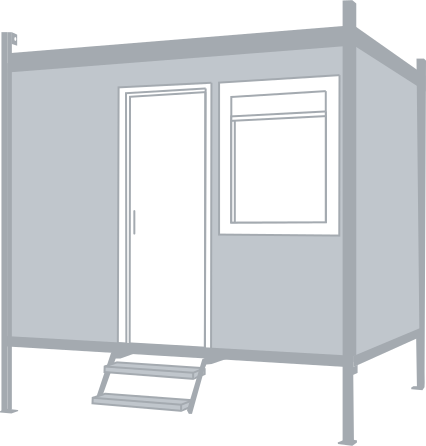
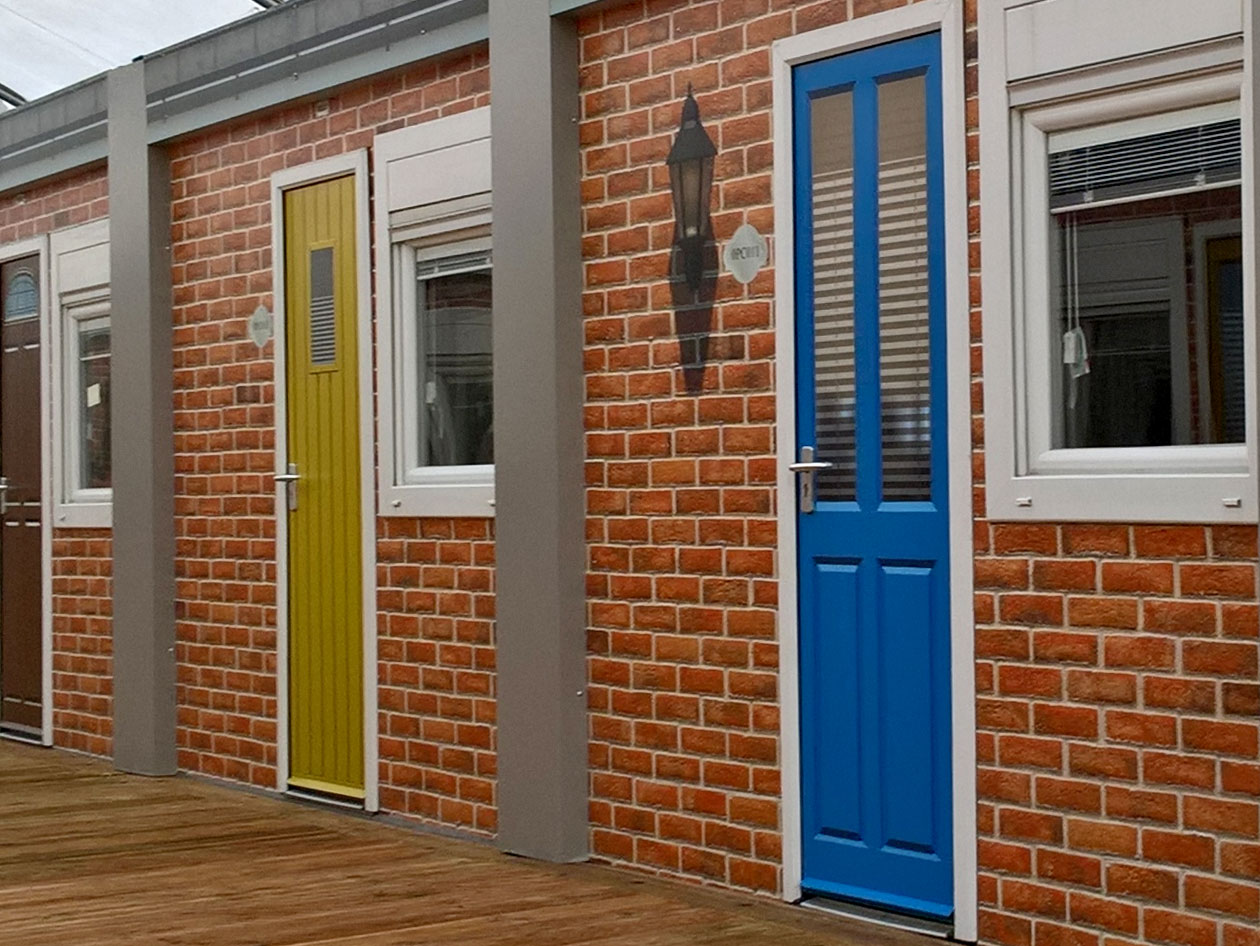
Temporary building hire can play an important role in this process. Site sleepers, toilet blocks, shower blocks and diners help workers stay close to the site, access the facilities they need and use their time more efficiently. When site accommodation and welfare facilities are planned properly, they can support the wider construction workflow rather than becoming an afterthought.
In this guide, the temporary building hire experts at Bunkabin explain how to manage construction workflows in five steps, including project planning, resource allocation, communication, welfare planning, progress monitoring and handover.
WHAT IS CONSTRUCTION WORKFLOW?
Construction workflow is the sequence of tasks, decisions and approvals that move a construction project from planning to completion. It covers how work is planned, assigned, delivered, monitored and adjusted across the full construction process.
A construction project workflow should include:
Preconstruction planning
Labour scheduling
Procurement of materials and subcontractors
Site preparation
Task sequencing
Material deliveries
Temporary building hire and welfare planning
Safety checks and inspections
Progress monitoring
Document management
Handover and closeout
In simple terms, workflow in construction is about making sure the right people, materials, information and facilities are in the right place at the right time.
Temporary buildings are part of that picture. If workers need accommodation, toilets, showers, rest areas or diners on site, those facilities need to be planned into the construction workflow early. If they are added too late, the site could face avoidable delays, poor worker experience or disruption to day-to-day operations.
WHY CONSTRUCTION WORKFLOW AFFECTS SITE PERFORMANCE
An effective construction workflow improves project execution because it creates structure. Everyone involved should know what needs to happen, when it needs to happen, who is responsible and what support is needed before the next stage can begin.
Poor construction workflow can lead to:
Cost overruns
Missed deadlines
Confusion between multiple teams
Delayed material deliveries
Labour downtime
Poor document control
Safety compliance issues
Disputes over responsibilities
Problems during handover
Site facilities can also affect workflow. If workers have to travel away from the site for toilets, showers, food, rest or accommodation, this can reduce productive time and make the site harder to manage. If welfare facilities are badly positioned, too small for the workforce or not ready when workers arrive, this can create frustration and delay.
Temporary building hire helps project managers plan around these issues. Site sleepers, toilet blocks, shower blocks and diners can be added to the site layout so workers have practical facilities close to where they are needed.
STEP 1: PLAN THE WORKFLOW BEFORE WORK BEGINS
The first step in construction workflow management is project planning. Before work starts, project managers should understand the project requirements, key stages, resources, risks and deadlines.
A strong preconstruction workflow includes:
Reviewing the scope of work
Mapping the main project phases
Understanding planning, permitting and regulatory requirements
Identifying labour needs
Confirming material requirements
Planning subcontractor involvement
Reviewing site access
Assessing welfare and accommodation needs
Deciding whether temporary building hire is required
Identifying risks and contingency options
Preconstruction workflows are important because they help prevent avoidable delays before they happen. If materials are not ordered, subcontractors are not scheduled, access is not planned or welfare facilities are not ready, the construction process can be disrupted before work properly begins.
This is where temporary building hire should be considered. For example, ifconstruction workers need to stay near a remote site,site sleepers may need to be arranged before labour is scheduled. If the project requires a large workforce, toilet blocks,shower blocks anddiners should be planned before workers arrive. If these facilities are not considered until later, the site will struggle to operate smoothly.
A clear project plan should also define when each temporary building is needed. Some units may be required from day one, while others may only be needed during a later phase when the workforce increases.
STEP 2: ORGANISE LABOUR, MATERIALS AND SITE ACCESS
Once the overall workflow is planned, the next step is to organise labour, materials and site access. This is where construction project workflows often become complex, because several activities need to happen at once.
Effective resource allocation means understanding:
Which workers are needed
Which subcontractors are required
When each trade should be on site
What materials are needed for each phase
When deliveries should arrive
Where materials will be stored
How site access will be managed
Where temporary buildings will be positioned
Whether workers need accommodation on site
Whether toilet blocks, shower blocks or diners are required
Procurement is a major part of this stage. It involves ordering materials, confirming suppliers and arranging subcontractors based on the design, programme and project requirements. If materials are late or subcontractors arrive before the site is ready, the workflow can quickly break down.
Temporary building hire also needs to be worked into the same planning.Delivery vehicles need safe access, units need suitable space, and water, drainage or power may need to be available depending on the facilities being hired. If a site sleeper, toilet block, shower block or diner unit cannot be delivered or connected when required, this can affect the wider construction workflow.
For remote construction sites, infrastructure projects and large builds, worker accommodation can be especially important. If workers have to travel long distances each day, this can increase fatigue, reduce available working time and create scheduling challenges. Site sleepers and welfare accommodation can keep workers close to where they are needed.
STEP 3: SET UP CLEAR COMMUNICATION BETWEEN SITE TEAMS
Clear communication is central to managing construction workflows. Without it, construction teams may work from outdated information, duplicate tasks, miss changes or delay other trades.
A strong communication system should define:
Who is responsible for each part of the workflow
How updates will be shared
How often site meetings will happen
How changes will be approved
How documents will be stored
How subcontractors will receive instructions
How safety issues will be reported
How welfare or accommodation issues will be escalated
Temporary building hire should also be included in site communication. Workers need to know where welfare facilities are located, when they can access them, who to speak to if there is an issue, and whether any facilities are moving as the site layout changes.
This is particularly important on larger sites where multiple teams are working at once. A site may have toilet blocks, shower blocks, diner units and site sleepers in different areas. Clear communication helps workers use these facilities properly and prevents welfare spaces from interfering with deliveries, storage, access routes or high-risk work areas.
STEP 4: USE TEMPORARY BUILDING HIRE TO SUPPORT SITE OPERATIONS
Temporary building hire should be treated as part of construction workflow management, rather than a separate procurement task. The right temporary buildings can help workers stay close to the site, rest properly, access welfare facilities and keep the project moving.
Depending on the construction project, temporary buildings may include:
Site sleepers for worker accommodation
Toilet blocks for construction site welfare
Shower blocks for washing facilities
Diner units for meal breaks and rest
Welfare accommodation for remote or long-running projects
These facilities support site operations by reducing travel time and allowing workers to rest between shifts. Toilet and shower blocks can reduce the need for workers to leave the site for basic facilities. Diner units can provide a dedicated place for breaks and meals, so teams return to work more efficiently.
The location of temporary buildings is also important. If facilities are too far from the working area, workers may lose time moving around the site. If they are too close to high-risk areas, they may create safety or access issues. If they are not positioned near the right services, installation and use may be more difficult.
When temporary building hire is planned into the workflow, welfare and accommodation become part of the site’s operating system. Workers are better supported, site movement is easier to manage and project managers have fewer avoidable disruptions to deal with.
STEP 5: MONITOR PROGRESS AND ADAPT THE WORKFLOW
A construction workflow should not be fixed once the project begins. Site conditions, weather, labour availability, material deliveries, safety issues and client requirements can all change. Good workflow management means monitoring progress and adapting when needed.
Project managers should regularly review:
Whether tasks are being completed on time
Whether labour is being used efficiently
Whether materials are arriving when needed
Whether subcontractors are properly coordinated
Whether welfare facilities remain suitable
Whether site accommodation is still meeting worker needs
Whether safety compliance is being maintained
Whether project costs are under control
Whether delays or bottlenecks are emerging
Whether documentation is up to date
Whether the project is ready for the next phase
Temporary buildings may also need to be reviewed as the project changes. A site may need more welfare capacity as the workforce grows, or fewer units as work enters a quieter phase. Site sleepers may need to remain for longer if the project is extended, while toilet blocks, shower blocks or diner units may need repositioning if access routes or work areas change.
Digital tools can help construction managers track progress and identify issues. Project management tools may allow teams to update task status, upload photos, share documents, monitor performance data and keep records in one place. Construction workflow automation may also help with repeatable processes such as task assignment, document sharing and approval tracking.
Even with digital systems, regular site reviews remain essential. Monitoring progress helps identify bottlenecks early and allows project managers to adjust labour, materials, welfare facilities, accommodation and site access before small issues become costly delays.
COMMON CAUSES OF CONSTRUCTION WORKFLOW DELAYS
Many construction workflow problems are caused by issues that could have been identified earlier. Understanding common causes of delays can help project managers build a more resilient workflow.
Common causes include:
Poor project planning
Unclear responsibilities
Late material deliveries
Poor subcontractor coordination
Incomplete drawings or design changes
Weak document management
Poor version control
Inadequate site access
Insufficient welfare facilities
Temporary buildings being arranged too late
Workers travelling too far from site
Poor communication between teams
Lack of real-time project data
Safety compliance issues
Weather disruption
Poor risk management
Unclear handover requirements
Temporary building hire can help reduce some of these pressures by giving workers access to accommodation and welfare facilities close to the worksite. It will not solve every workflow problem, but it can remove avoidable disruption caused by poor welfare provision, long travel times or unsuitable site facilities.
HOW BUNKABIN CAN SUPPORT CONSTRUCTION WORKFLOW
Bunkabin supports construction workflow by providing temporary building hire for site accommodation and welfare facilities. Our units help workers remain close to the project and properly supported throughout the working day.
Our facilities can help construction companies manage site operations more effectively by reducing unnecessary travel, supporting worker comfort and creating a more organised site environment.
Whether you are managing a small project, a remote construction site or a complex build with multiple teams, Bunkabin can help you choose the right temporary buildings for your workforce. Speak to our team on 0345 456 7899 or fill in our online enquiry form to request a quote.
Testimonials
We approached Bunkabin in 2015 to deliver a turnkey accommodation solution for our performers from around the world who were performing at Her Majesty The Queen’s 90th Birthday Celebrations at Windsor this year. Subsequently 200 Bunkabins were ordered and work started on the planning of such a major logistical operation. In 22 days, 200 Bunkabins, complete with bedding kits, were delivered and installed and when our performers arrived they were amazed that we could offer an on-site solution that offered everything they needed. It made for a real village atmosphere with all nations joining together and we couldn’t have asked for more.
Bunkabins drivers were amazing – taking great care when loading and offloading not to damage the grass in the Private Grounds of Her Majesty The Queen and all in all the Bunkabins worked perfectly
Nick Brooks-Ward, H Power Group - Event Planning Services
Over the last 6 years we have increased the Student Village from initially 30 up to currently 274 en-suite Student Sleepers. The Student Village Company provide us with a flexible accommodation capacity, so as long as we have land available, we no longer need to turn away a student because of accommodation shortages.
It is very difficult to predict exact intake numbers however The Student Village Company are able to provide additional capacity only a few weeks before freshers week. The decking, canopy and decals make an enormous difference. The students love them.
While Bunkabins aren’t complicated... There will undoutedly be a raft of questions you will need answering. So with this in mind, we have compiled a list of the most frequently asked ones and, handily, provided the answers to boot.
The aim was to find an accommodation solution that could be deployed quickly and safely, while exceeding industry standards of electrical, fire and structural safety and providing a comfortable living…
As a successful agricultural business, Valley Produce depends heavily on having the right onsite accommodation solutions in place for its seasonal workers. Bunkabin has been able to provide those…
How do you solve an issue of having more students arriving than you have available accommodation? Bunkabin works with Reaseheath College to support them as they expand,enabling them to grow their…
The Royal Navy found themselves requiring 302 more bed than they had available. Rather than costly and time-consuming building work being initiated an alternative tempory solution was sort and…
Her Majesty’s 90th Birthday Party was a celebration of The Queen’s life and involved more than 1,500 participants from around the United Kingdom and the World. It focused on her love of horses, her…
Bunkabin has long had a great working relationship with Glastonbury Festival. Our sleepers and shower blocks offer their management, staff and the supply personnel the comfortable environment they…