THE IMPORTANCE OF PROVIDING WELFARE FACILITIES ON-SITE
benrothwell
Sep 15th, 2022
For any site manager or principal contractor, overseeing a construction project involves a huge number of moving parts. Amid the daily juggle of materials, deadlines and budgets, welfare facilities on site can be easy to overlook. Yet these facilities are a cornerstone of any safe, productive and legally compliant construction site.
Providing adequate welfare facilities is a direct investment in your workforce's wellbeing and efficiency. At Bunkabin, we've recognised this since 1978, when our business was founded in response to the unsafe and unsuitable sleeping conditions many workers faced during the 1970s. That original purpose still guides us today, and we take genuine pride in offering bespoke units built for human comfort, rather than the adapted shipping containers often seen across the industry.
In this guide, we explain what welfare facilities on site are, who is responsible for providing them, the legal requirements involved, and the difference proper provision makes to worker health, wellbeing and productivity.
What are welfare facilities on site?
On-site welfare facilities are the essential amenities needed to protect the health, safety and wellbeing of everyone working on a construction site. They are not optional extras. Under UK law, some level of welfare provision is required on every site, whatever its size or duration.
Welfare facilities for workers typically include:
Sanitary conveniences: clean, well-lit and ventilated toilet facilities.
Washing facilities: sinks with hot and cold running water, soap and a means of drying hands.
Drinking water: a wholesome, easily accessible supply of clean drinking water.
Changing rooms and lockers: secure, private space to change into personal protective equipment and store belongings.
Rest facilities: a comfortable, sheltered space to take breaks and eat meals.
Sleeping facilities: on some projects, dedicated places to sleep and relax. Sleeper cabins come in a range of sizes and configurations, from larger units with washing and cooking facilities built in, to smaller sleeping units paired with separate dining and recreation cabins.
Who is responsible for providing welfare facilities on site?
Responsibility for welfare facilities on site sits mainly with the principal contractor on projects with more than one contractor, or with the contractor in control of the site where no principal contractor has been appointed. Clients also have a duty to check that suitable welfare arrangements have been planned before work starts.
This responsibility cannot simply be handed off. Even where welfare units are hired in from a supplier, it remains the contractor's job to make sure the facilities provided are suitable, sufficient and properly maintained for the length of the project, including as workforce numbers change.
Legal requirement for on-site welfare
For site managers, understanding the legal obligations here is critical. In the UK, the Construction (Design and Management) Regulations 2015 (CDM) and Health and Safety Executive (HSE) guidance set out clear legal requirements for welfare facilities on site. Schedule 2 of CDM lists the minimum welfare facilities that must be available, and these apply to every construction site, whatever its size.
Two points matter in particular. First, welfare facilities on site must be in place from the very first day that construction work begins, not added once other priorities have been dealt with. Second, they must remain suitable and sufficient throughout the project, scaling up or down as the number of workers on site changes.
Failure to provide adequate welfare facilities can lead to serious consequences, including enforcement action from the HSE, project delays and reputational damage. But compliance is only part of the picture. Providing proper welfare facilities also reflects a wider responsibility to look after the people on site, and shows genuine respect for the workforce.
The impact of welfare on worker health and wellbeing
The quality of on-site welfare facilities has a direct effect on the physical and mental health of your workforce. Poor hygiene can quickly lead to illness. When workers don't have access to clean washing facilities, it becomes harder to maintain basic hygiene, which increases the risk of infections spreading across the site. The same applies to drinking water. Without a reliable, easily accessed source of clean water, dehydration and fatigue can set in, which may lead to more serious health problems further down the line. Good welfare provision helps prevent these issues and supports a healthier, more productive team.
Mental health and morale can also be affected, as construction work is demanding and long days can take their toll. Spaces where workers can take a break, relax and step away from the noise of the site make a genuine difference, especially on sites relying on temporary welfare facilities set up for the duration of a single project. Clean, comfortable rest areas allow people to recharge and talk with colleagues, which helps ease stress and reduce feelings of isolation, issues that are becoming more prominent across the industry.
How proper welfare facilities boost productivity
The benefits of investing in high-quality welfare facilities on site extend directly to your project's bottom line. A workforce that is well looked after is, in our experience, a more productive one.
Increased efficiency: workers who are well rested and have access to proper welfare facilities tend to stay more focused, which supports steadier progress against the programme.
Reduced absenteeism: good hygiene and health provision helps reduce the spread of illness, supporting a more reliable workforce with fewer sick days.
Attracting and retaining talent: in a competitive industry, contractors who invest in workforce wellbeing tend to find it easier to attract workers and keep them on site for longer.
When workers feel looked after, the atmosphere on site tends to improve, and that can make a real difference when deadlines are tight.
Bunkabin: your partner in welfare facilities on site
For over four decades, Bunkabin has provided the UK's construction industry with high-quality, made in Britain welfare units and site sleepers. Our welfare unit hire service is designed to be straightforward and reliable, so you can provide the best for your team wherever your site is located in the UK.
Our range includes portable toilet hire, shower, diner and our sleeper cabins. All are robust, energy-efficient and fully compliant with building regulations, including the more stringent requirements for the Scottish market. Units are designed for quick installation, often ready for use within 30 minutes of unloading, so your site can be compliant with welfare facilities from day one.
Contact us today to talk through the welfare facilities on site your project needs. Call 0345 456 7899 or fill out our online contact form to get a quote.
Testimonials
We approached Bunkabin in 2015 to deliver a turnkey accommodation solution for our performers from around the world who were performing at Her Majesty The Queen’s 90th Birthday Celebrations at Windsor this year. Subsequently 200 Bunkabins were ordered and work started on the planning of such a major logistical operation. In 22 days, 200 Bunkabins, complete with bedding kits, were delivered and installed and when our performers arrived they were amazed that we could offer an on-site solution that offered everything they needed. It made for a real village atmosphere with all nations joining together and we couldn’t have asked for more.
Bunkabins drivers were amazing – taking great care when loading and offloading not to damage the grass in the Private Grounds of Her Majesty The Queen and all in all the Bunkabins worked perfectly
Nick Brooks-Ward, H Power Group - Event Planning Services
Over the last 6 years we have increased the Student Village from initially 30 up to currently 274 en-suite Student Sleepers. The Student Village Company provide us with a flexible accommodation capacity, so as long as we have land available, we no longer need to turn away a student because of accommodation shortages.
It is very difficult to predict exact intake numbers however The Student Village Company are able to provide additional capacity only a few weeks before freshers week. The decking, canopy and decals make an enormous difference. The students love them.
While Bunkabins aren’t complicated... There will undoutedly be a raft of questions you will need answering. So with this in mind, we have compiled a list of the most frequently asked ones and, handily, provided the answers to boot.
The aim was to find an accommodation solution that could be deployed quickly and safely, while exceeding industry standards of electrical, fire and structural safety and providing a comfortable living…
As a successful agricultural business, Valley Produce depends heavily on having the right onsite accommodation solutions in place for its seasonal workers. Bunkabin has been able to provide those…
How do you solve an issue of having more students arriving than you have available accommodation? Bunkabin works with Reaseheath College to support them as they expand,enabling them to grow their…
The Royal Navy found themselves requiring 302 more bed than they had available. Rather than costly and time-consuming building work being initiated an alternative tempory solution was sort and…
Her Majesty’s 90th Birthday Party was a celebration of The Queen’s life and involved more than 1,500 participants from around the United Kingdom and the World. It focused on her love of horses, her…
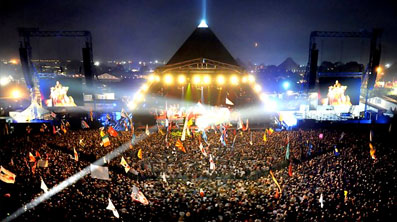
Bunkabin has long had a great working relationship with Glastonbury Festival. Our sleepers and shower blocks offer their management, staff and the supply personnel the comfortable environment they…